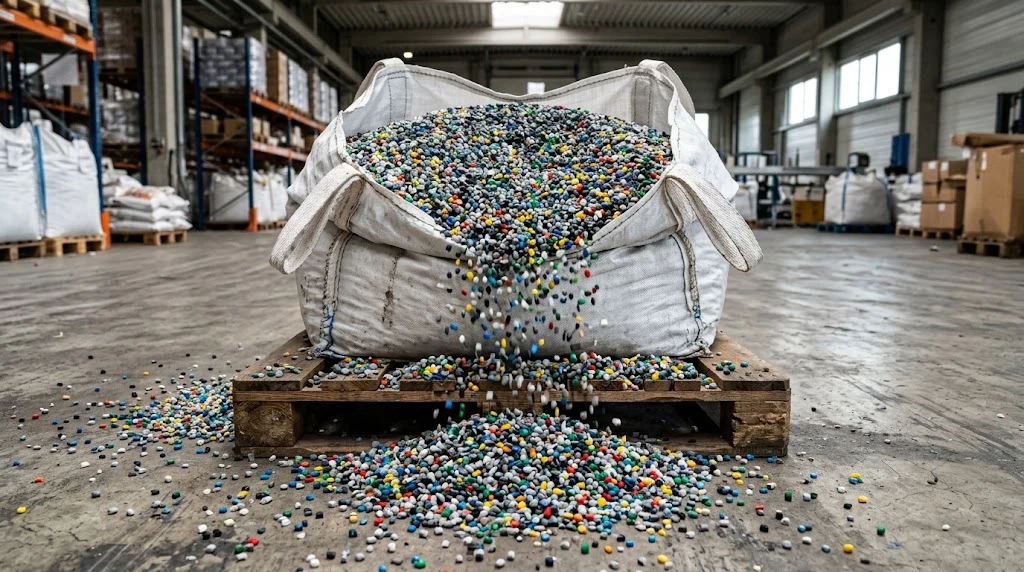
The figure gets repeated so often it has become shorthand: only about 9 percent of plastic ever made has been recycled. The number comes from the OECD’s Global Plastics Outlook, which found that of plastic waste generated worldwide, roughly 9 percent is recycled, 19 percent is incinerated, around half goes to sanitary landfill and the remainder is mismanaged. In the United States the picture is worse. EPA’s last full accounting put the national plastics recycling rate at 8.7 percent for 2018, and independent estimates from Beyond Plastics and The Last Beach Cleanup put the 2021 rate at 5 to 6 percent.
The reasons are not primarily technical. Most plastics can be recycled. The question is whether anyone is willing to pay to collect, sort and reprocess them at a price that competes with virgin resin.
It is not one material
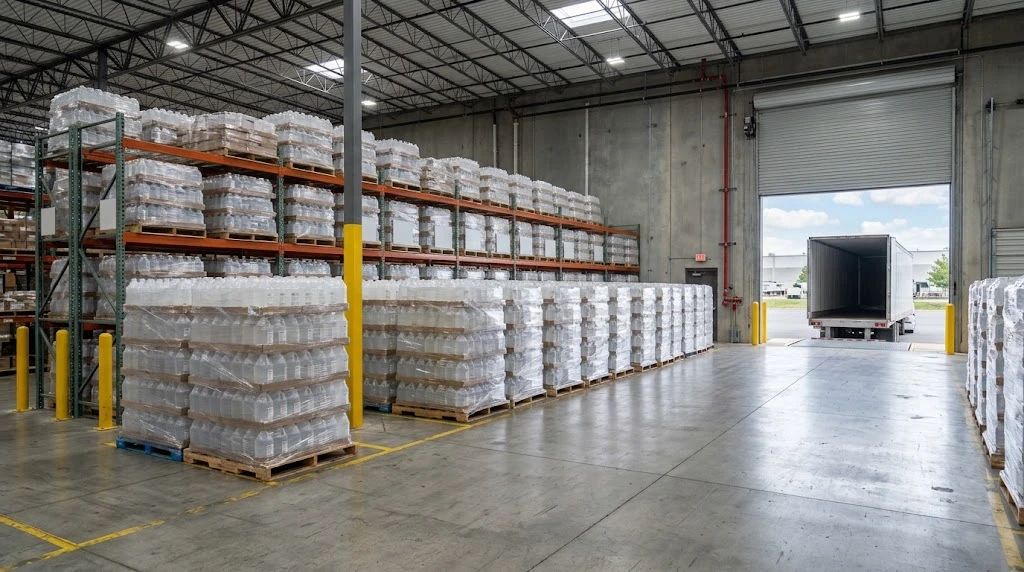
“Plastic” is seven resin codes and hundreds of formulations. The recycling rate for PET beverage bottles in the US is around 30 percent. For natural HDPE milk jugs it is similar. For polypropylene it is in the single digits, and for films, multilayer pouches, polystyrene and anything mixed or colored it rounds to zero. The headline figure averages a few streams that work with many that do not.
Why the number stays low
Collection
Roughly 40 percent of Americans lack convenient curbside recycling access, according to The Recycling Partnership. Material that is never collected cannot be recycled, no matter how recyclable it is.
Sorting
Material recovery facilities are built to pull out bottles, jugs and tubs. Films jam equipment, small items fall through screens, and black plastic defeats optical sorters. Each category that a MRF cannot sort becomes residue and goes to landfill.
Economics
Virgin resin tracks oil and gas prices. When virgin is cheap, recycled resin cannot compete without a mandate or a brand commitment. Bale prices for mixed plastics have spent long stretches below the cost of baling them.
Contamination and design
Labels, adhesives, colorants, multilayer barriers and additives all reduce the value of the recovered material. Packaging designed for shelf appeal is rarely designed for the sorting line.
What actually moves the number
- Recycled content mandates. California, Washington, New Jersey, Maine and Connecticut now require minimum post-consumer content in certain packaging. Mandates create guaranteed demand, which is what makes collection and sorting investment bankable.
- Extended producer responsibility. Packaging EPR fees in Oregon, Colorado, California and Minnesota shift collection costs to producers and penalize hard-to-recycle formats through eco-modulated fees.
- Deposit return systems. The ten US bottle bill states recover PET at roughly double the rate of non-deposit states. Deposits produce cleaner bales that command higher prices.
- Design for recycling. Mono-material packaging, clear PET, and labels that wash off cleanly raise yield at every step.
- Commercial and industrial streams. Post-industrial scrap from manufacturing is clean, consistent and already sorted. Recycling rates for industrial plastic scrap are far higher than for consumer packaging, and a plant that lands-fills its regrind is leaving money on the floor. See our guide to turning industrial plastic scrap into revenue.
What does not move it much
Chemical recycling has absorbed billions in announcements and comparatively little in operating tonnage. Several projects were delayed or scaled back in 2025 and 2026. It may eventually handle mixed and film plastics that mechanical recycling cannot, but it has not yet changed the national rate.
The bottom line
The 9 percent figure is real, but it describes an economic system, not a physical limit. Where policy creates demand and collection is convenient, plastic recycling works. Where it does not, it does not. The states writing EPR and PCR rules are, in effect, betting they can change the economics. The next few years of data will tell us whether they are right.
Need a disposal or recycling partner?
Real Zero Waste is published by Wasteless Group, a U.S. inventory destruction, recycling and sustainable disposal company. If you have product, scrap or equipment to move, these are the services:
Disclosure: these services are operated by our publisher. Editorial coverage is not influenced by them.