Zero waste programs fail for boring reasons: nobody owns them, nobody measures them, and the hauling contract was never changed. This checklist is written for the operations or EHS manager who has been handed the goal and needs a sequence that works. It is based on what facilities that reach 90 percent diversion actually do.
Phase 1: Know what you throw away
1. Name an owner. One person with authority over purchasing, facilities and the hauler contract. A committee is not an owner.
2. Pull twelve months of hauling invoices. Container sizes, pickup frequency, tonnage where available, and cost. This is your baseline, and it is usually the first time anyone has looked at it.
3. Do a physical waste audit. Sort a representative sample of your trash by category and weigh it. You will find that cardboard, film plastic, food and pallets make up most of what is going to landfill at a typical facility. The audit tells you which three or four streams to attack first.
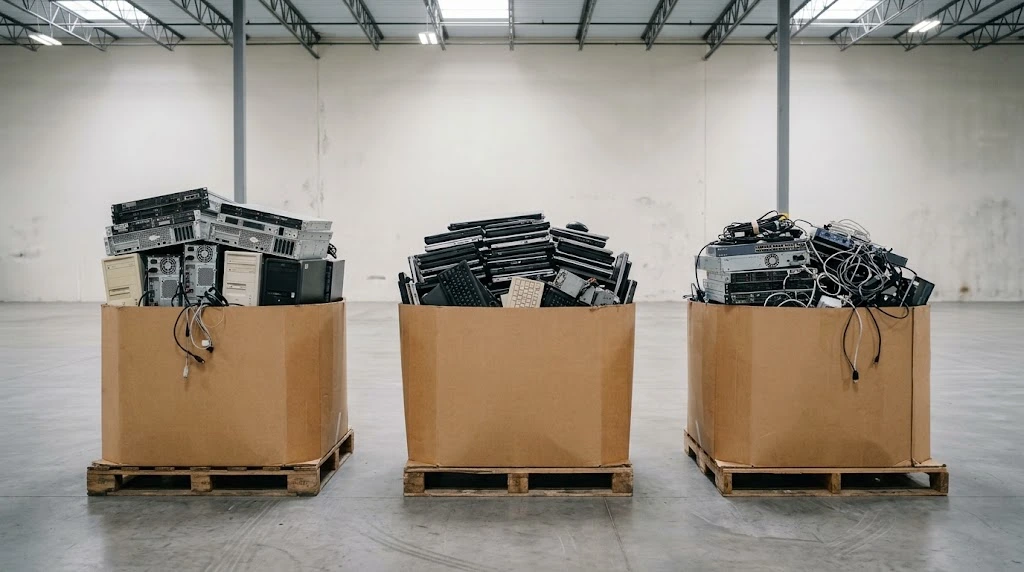
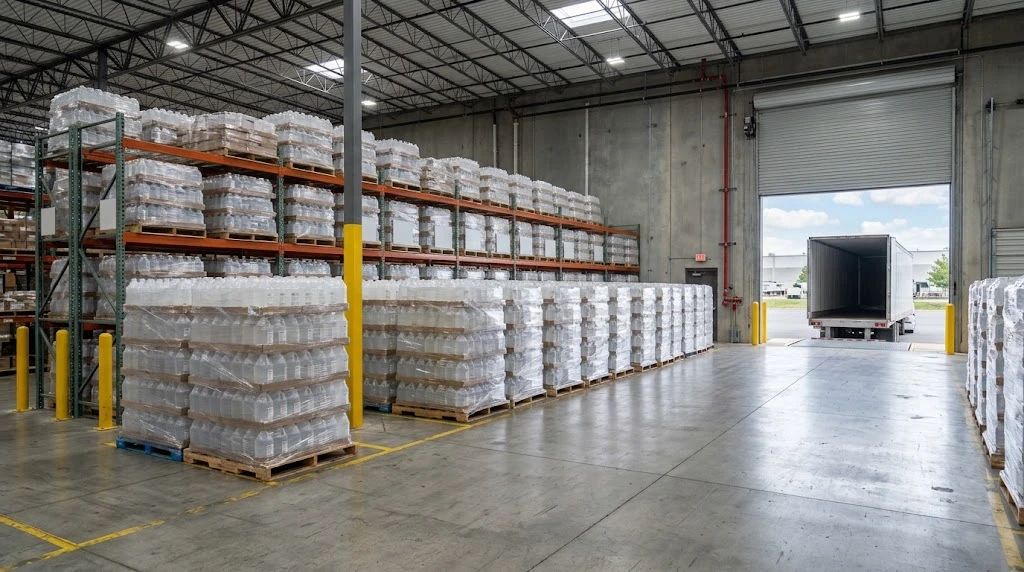
4. Map the special streams. Obsolete inventory, returns, recalled product, expired goods, electronics, universal waste (lamps, batteries), and anything hazardous. These are usually small by weight but large by cost and risk, and they are where certified destruction and recycling partners earn their keep.
Phase 2: Stop the easy stuff
5. Fix cardboard first. Baled OCC is the one recyclable that almost always has positive value. A vertical baler pays for itself quickly at most warehouses.
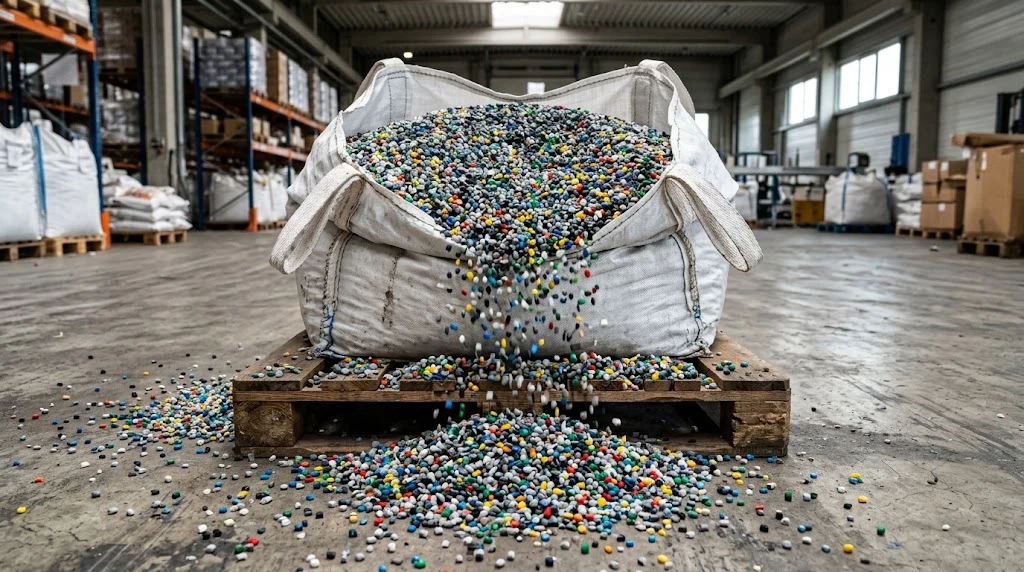
6. Capture stretch film and shrink wrap. Clean LDPE film is recyclable and marketable when kept separate. Put a film-only container at every receiving dock.
7. Renegotiate the hauling contract. Downsize the trash dumpster, add recycling and organics service, and ask for tonnage reports. Most haulers will provide them if asked, and the contract should require it.
8. Divert organics. Food manufacturers, distributors and cafeterias generate organics that can go to composting, anaerobic digestion or animal feed. Several states now require it above a threshold. See our guide to state food waste bans.
Phase 3: Build the system
9. Standardize bins and signage. Same colors, same labels, same positions at every station. Contamination drops when people do not have to think.
10. Handle inventory disposal properly. Decide in advance what happens to excess, damaged, expired and recalled product. Liquidation is right for some of it. Certified destruction with a certificate of destruction and recycling of the resulting material is right for the rest, especially anything branded, regulated or unsafe. Our piece on destruction versus liquidation walks through the decision.
11. Measure monthly. Diversion rate equals everything recycled, composted or reused divided by total material generated. Track it by stream, post it where staff can see it, and review it in operations meetings.
12. Close the loop with purchasing. The cheapest waste is the waste you never buy. Reusable totes instead of cardboard, bulk instead of individually packaged, recycled-content supplies instead of virgin. Purchasing has more leverage over your diversion rate than facilities does.
Certification
Once a facility sustains 90 percent diversion for twelve months, it is eligible for TRUE Zero Waste certification through GBCI. The TRUE explainer covers the requirements. Certification is not the goal, but it is a useful forcing function and a credible claim for customers who ask.
Common mistakes
- Treating recycling as a facilities issue rather than a purchasing and operations issue.
- Counting waste-to-energy as diversion. Most standards do not.
- Letting obsolete inventory sit in a corner for a year because nobody wants to make the call.
- Claiming “zero waste” publicly before the numbers support it. Regulators and customers increasingly check.
Need a disposal or recycling partner?
Real Zero Waste is published by Wasteless Group, a U.S. inventory destruction, recycling and sustainable disposal company. If you have product, scrap or equipment to move, these are the services:
Disclosure: these services are operated by our publisher. Editorial coverage is not influenced by them.